
Beauty, speed and influence: How women are redefining Formula One
By Fernanda Scheid Sallet, March 26 2026—
When Sephora announced it would become the official beauty retail partner of F1 Academy, some fans expressed confusion. While it is not the first beauty brand to enter the space, it is the most recent and one of the most visible. As the series’ official partner, Sephora’s role goes beyond simple sponsorship, bringing branding, on-site presence and fan engagement into the world of motorsport. Formula One has long been a world of speed and competition, where makeup and skincare were rarely part of the conversation. However, this surprise says more about outdated ideas of who belongs in motorsport than it does about the partnership itself.
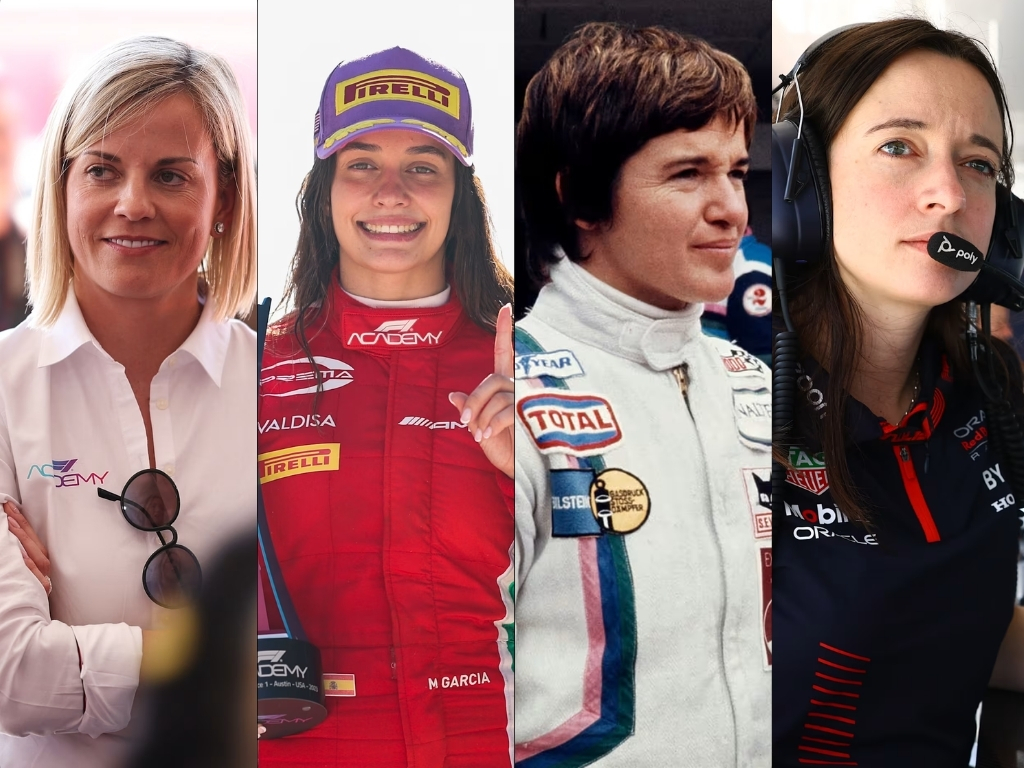
F1 Academy, created by the Formula One Group, is changing that. The series launched to support and develop women drivers in a sport where opportunities at the highest level are still rare. Its mission is to create a pathway from F1 Academy to Formula Three, Formula Two and eventually F1. But the league is doing more than producing amazing racers. It is quickly reshaping the culture of F1 itself.
For decades, Formula One felt like a club that women had to prove themselves worthy of entering. Whether as fans or drivers, there was an unspoken expectation that their passion had to be serious, or they do not belong. That has started to change. Female viewership has been steadily rising, especially among younger audiences, thanks in large part to accessible digital storytelling. Shows like Drive to Survive have made following races easy, but more important, they have made the sport feel relatable. Drivers are no longer just names on a leaderboard. They are full of personality, with stories, ambitions and struggles that make fans root for them both on and off the track.
Women are not just watching, they are making themselves seen and heard. The growth of the female fandom is everywhere, from cheering in the grandstands to creating viral content on social media. Female fans share insights, celebrate wins, analyze races and build communities around their love for the sport. Their voices are shaping how teams, sponsors and the sport itself communicate. When women see themselves reflected on the track and in the stories around it, they feel ownership over the experience. F1 Academy’s focus on women drivers and partnerships like Sephora’s are clear signals: women are not a niche audience. They are a driving force, reshaping F1 culture as much as the engineers and racers behind the scenes.
Beauty brands make perfect sense at this moment. They are not intruding,they are recognizing reality. Sephora’s involvement is more than marketing. It is a nod to women as core fans, not secondary ones. Charlotte Tilbury has also jumped in, collaborating with drivers to create striking visuals for the series that shine on the track and on social media. These partnerships are not about defining women by appearances. They are about celebrating how women belong in every corner of motorsport.
There will always be skeptics. Skeptics still wonder if beauty and racing belong in the same sentence. The assumption that caring about aesthetics diminishes a love for speed is outdated. Fans can be serious about F1 and still enjoy style, personality and self-expression. It is not an either-or.
F1 Academy has managed to keep a balance where racing remains the primary focus. Drivers are competitors first, with beauty partnerships existing around the sport, not in place of it. The remarkable shift in who gets to shape F1 proves women are no longer an afterthought. They are a visible, influential part of the audience, changing how the sport presents itself. Rather than asking women to adapt to F1, the sport is adapting to them.
This evolution is about more than sponsorships, it is about visibility and identity. Young women watching races can see themselves in the drivers, in the narratives and in the fans around them. They feel like they belong. They are part of a culture that values speed, skill and personality equally. F1 Academy creates space for women to compete, be seen and be celebrated, not just for their driving but for the impact they have on the sport.
At first, the Sephora partnership is surprising but on closer inspection, it is part of a bigger story. F1 is evolving alongside its fans. The sport is still about speed, but it is now also about women. It belongs to the fans who shape its culture, the drivers who break barriers and the community that keeps pushing the sport forward.
F1 is no longer defined solely by who it was built for. Those watching now are reshaping it: fast, fearless and unapologetically themselves. The track has always been about power — but now, so is the fandom.
This article is a part of our Opinions section and does not necessarily reflect the views of the Gauntlet editorial board.