
2025 general election: Faculty of Arts Representatives
In this year’s Students’ Union (SU) general election, nine names will appear on the ballot for faculty of arts representative where only four candidates will be successful. Along with the responsibilities outlined for all Students’ Legislative Council (SLC) members, faculty representatives are accountable for responsibilities particular to their role including: Reporting to students of their faculty the policies, positions and programs of the Students’ Union (SU), reporting to their faculty itself (like Dean’s Council) the policies, positions and programs of the SU, representing student constituents of their faculty at SLC, representing student constituents of their faculty on university committees and reporting to the VP Academic on matters of academic importance within their faculty.
Simchah Atanda

Simchah Atanda is running for Faculty of Arts Representative for a second year. His platform focuses on combating tuition hikes, supporting international and underrepresented students as well as enhancing professional development.
Atanda has experience in the International Relations Students Association and the Faculty of Arts Student Association.
“The work isn’t done, there’s still some more stuff to get done in the Faculty of Arts. Most notably, we’re in the middle of this curriculum renewal process and I felt that, because I was the one who was taking the lead on that and because this is going to be a three-year process, I thought that what other person is more well equipped to continue the process,” said Atanda in an interview with the Gauntlet.
Atanda understands the limitations of his role and aims to partner with offices to support initiatives rather than creating them.
Atanda also aims to support underrepresented and international students by pushing for the increased funding of student services as well as creating a Quality Money bursary for BIPOC and international students.
“I am an international student and I have applied to so many bursaries and scholarships since I got here. I’m in my 4th year right now and I’ve only received one and that barely scraped the barrel of one year’s tuition. So I think there are lots of scholarships out there, but international students don’t qualify for it,” explained Atanda.
Atanda pledges to use his position as a student representative to push for university decision-makers to take student voices into consideration.
“The advocacy is using my position on those committees to push for the Dean’s office to listen to the student perspective,” said Atanda.
With a track record of commitment to progress, Atanda has the potential to improve student life as Faculty of Arts representative.
Cael Dickie
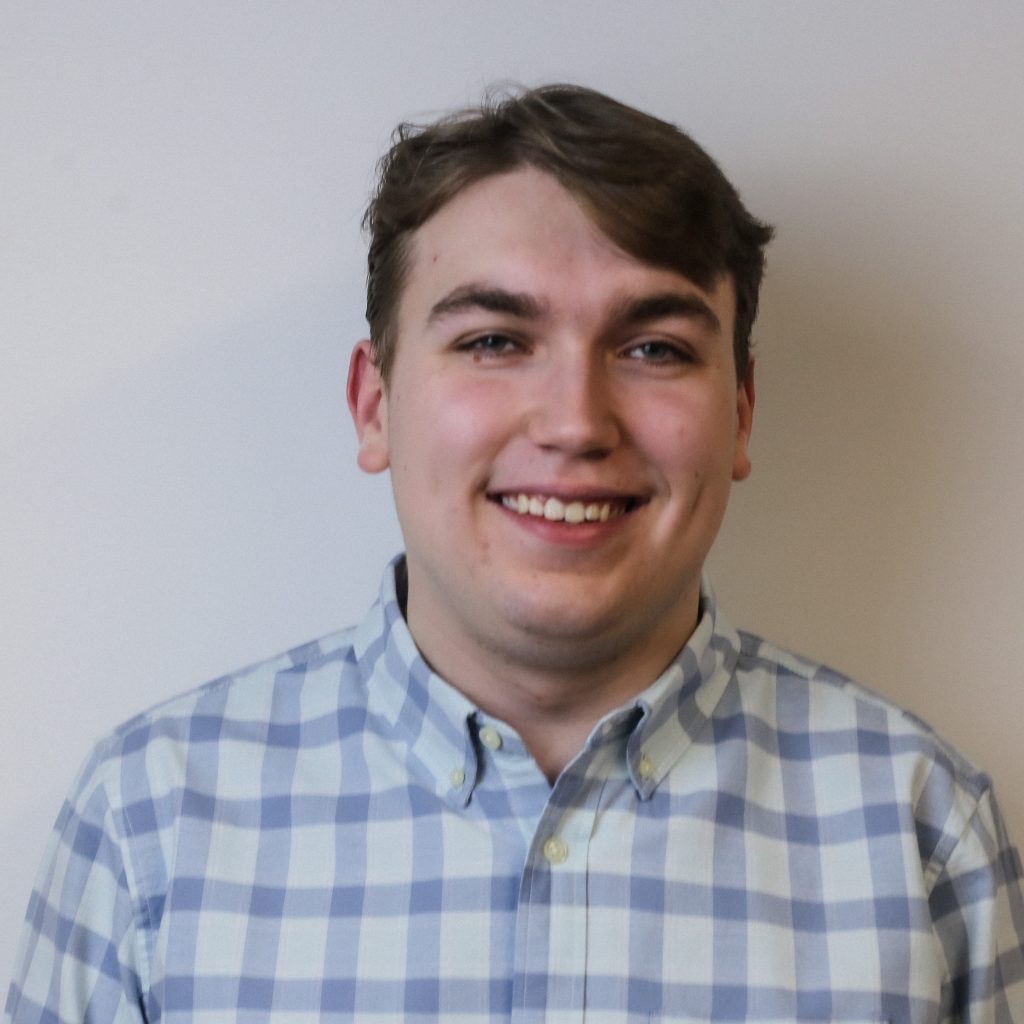
Cael Dickie is a second-year political science student running to be Faculty of Arts representative. Dickie’s platform focuses on creating an open and honest relationship and giving everyone a voice.
A major pillar of his campaign is advocating for clear communication regarding tuition spending. He calls for an official email detailing exactly where student fees are allocated, not acknowledging the years of effort by the SU on this matter, that is easily found on the SU website. Additionally, Dickie prioritizes fostering diverse perspectives, arguing that students should feel comfortable expressing differing opinions in academic spaces.
“There is a lack of an ability to talk about the issues we disagree with,” said Dickie.
When asked if there are any specific barriers to free speech on campus, Dickie stated that he observed hostility when expressing diversity in opinion in classrooms.
“I just think that everyone who wants to speak, isn’t necessarily getting that opportunity,” said Dickie.
Despite his lack of experience in student governance, Dickie believes his outsider perspective will be an asset as the Faculty of Arts representative and thinks this makes him an excellent candidate.
“I don’t know a ton about the Students’ Union itself, but I do know how it works and the people in it,” he said.
Dickie’s campaign goals are vague. While he emphasizes transparency and open dialogue, his platform lacks concrete proposals within the scope of the Faculty of Arts representative role. His call for clearer communication on tuition spending is a tangible initiative, but broader claims about free speech and diverse perspectives leave questions about specific implementation.
With undefined goals and an unclear roadmap, it remains uncertain how his representation would translate into measurable results and raises concerns about his suitability for the role.
Edom Girma
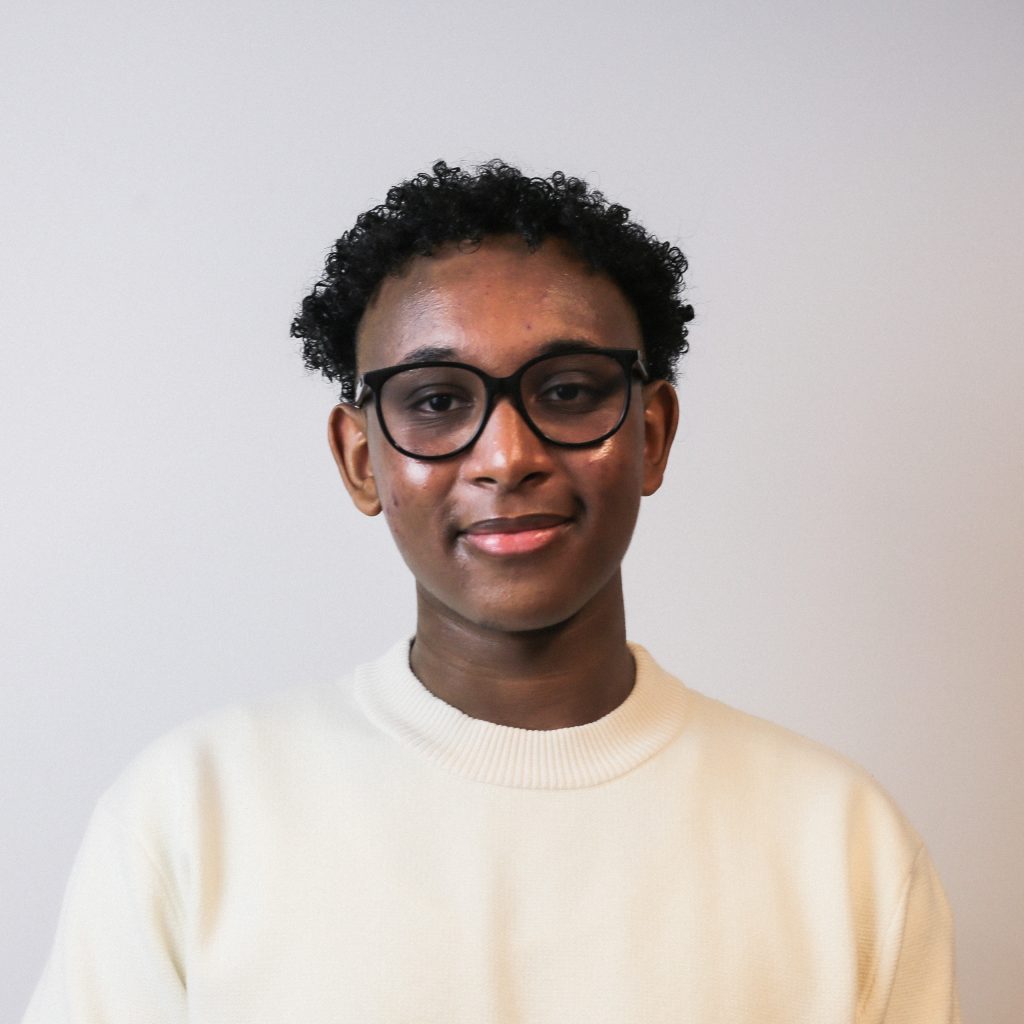
Edom Girma, who is a current Faculty of Arts Representative, is running once again to continue holding the position in the upcoming term.
Girma’s platform focuses on fostering community through student-led events, increasing support for clubs, advocating for affordable student resources and improving campus spaces.
As well, Girma’s platform highlights previous accomplishments in his prior term, including submitting a proposal for free printing services, holding a ‘Sweet Success’ student event and submitting a Quality Money proposal for napping pods.
Girma acknowledged the issue of affordability for many students, and explained what initiatives he planned to pursue in the next term to improve the burden of this matter.
“One of those was free printing, and continued advocacy on supporting affordability initiatives within the Student’s Union or within the university,” he said.
A topic currently crucial within the Faculty of Arts is the major changes to offered programs. This was not mentioned in Girma’s platform, however was explained as an expected duty.
“The reason why it wasn’t on my platform was because this is a part of just an expected responsibility of elected officials, that they are going to work on behalf of their students to address these certain concerns,” he stated.
Girma highlights the importance of communication among Arts Representatives, ensuring conversations are being held to collaborate on important matters.
Holding the position in the previous term, Girma stands out with his prior experience as a Faculty of Arts Representative. His track record demonstrates that he is a productive candidate committed to improving student life.
Salam Jesudamilola
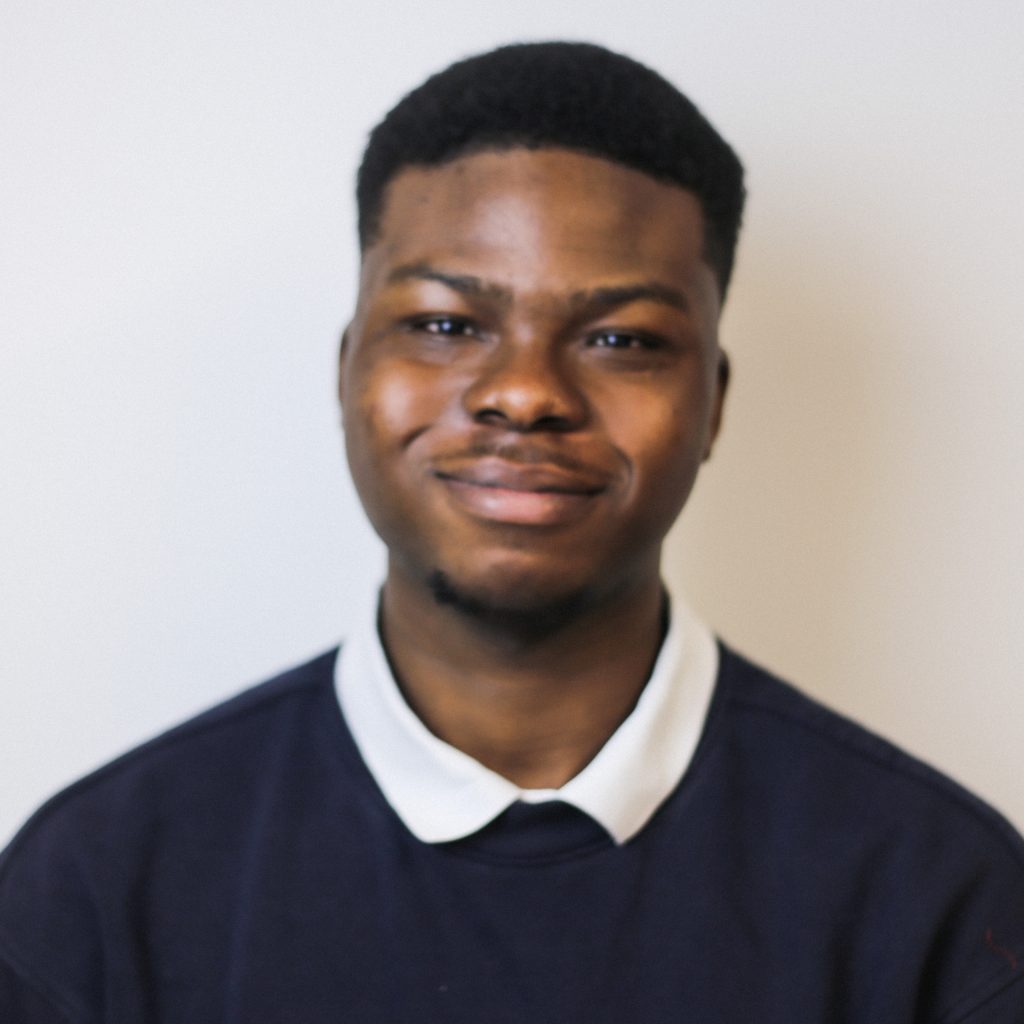
Salam Jesudamilola is a third-year Political Science student running to represent the Faculty of Arts. His platform focuses on budget transparency, student welfare and professional development, aiming to ensure students get the most from their university experience.
Jesudamilola believes that budget cuts and a lack of funding are the most pressing issue for his faculty. In an interview with the Gauntlet, he elaborated on what he believes the impacts have been on his peers.
“More and more students are coming into these degrees, and we just don’t have the money or the staff to give each and every single one the value they deserve for the money, time and effort they’re putting in,” Jesudamilola said.
If elected, he plans to tackle this issue by using his position as a faculty representative to build understanding from the student population and backing for protests.
“The key to successful protest is building consensus and then backing it with institutional power. We have to inform the public, build that consensus and use it so that when we go into the room to negotiate, we’re going in with power, knowing that we have students at our back,” he said.
Jesudamilola aims to use social media as a method of communication and transparency with students. He wants to engage directly with his peers by updating them on the SU’s activity and answering their questions.
“I aim to have weekly briefings on a social media site of the public’s choosing, probably Reddit or Instagram, to update students on everything that goes on inside the Students’ Union. I also plan to hold public Q&As, maybe on Instagram Live, where I’ll take and moderate questions so students stay informed and engaged,” he said.
Jesudamilola’s experience as an international student has inspired him to push for better integration of international students through campus clubs. He recognizes that the transition for most international students is a difficult process and aims to help using his advocacy.
“When I first arrived, I felt really lost for months, and having that early connection to a support system can help students feel grounded in the campus community,” he said. “The university has data on where most international students come from, so we could send out emails with club information, Instagrams and meeting times to help them get connected early on.”
Jesudamilola wants to push for workshops that improve basic skills that will help set students up for a successful academic career, especially as budget cuts continue to impact the quality of education.
“Budget cuts have really impacted our programs, and while we work on long-term solutions, we need short-term initiatives to mitigate the effects,” he said. “That’s why the workshop is so important, it gives students foundational skills like citing and research, which many don’t get enough time to develop in large classes.”
Jesudamilola’s candidacy is strong. He is focused on representing his faculty and has specific plans on how to increase communication and backing for his goals.
Malia Jolly
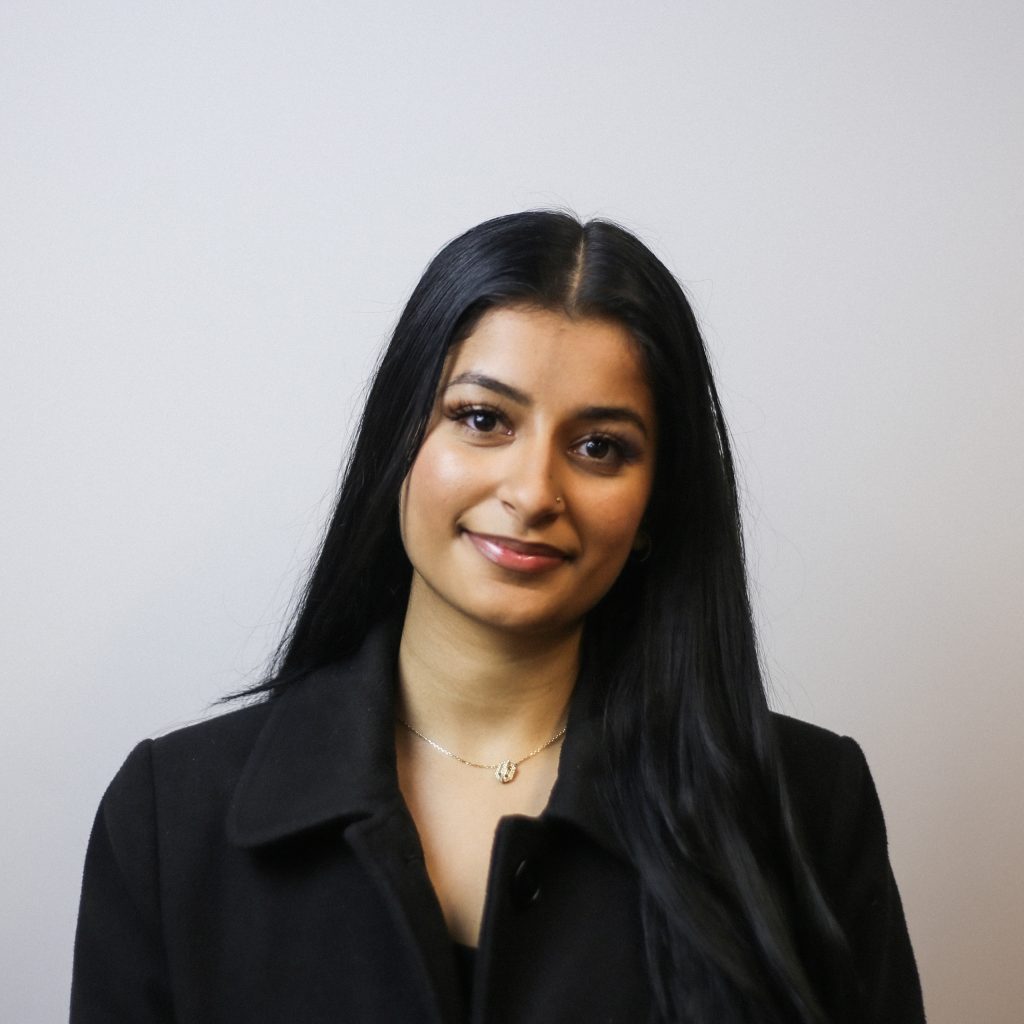
Malia Jolly is running for Faculty of Arts Representative. Jolly’s experience with the first generation student mentorship has led her to advocate for first generation students’ struggles and first years as a whole.
Jolly expressed that the current Faculty of Arts advising is inconsistent and difficult to navigate. She indicated advising should be made to be more attainable, yet did not specify how she would tackle this issue. She did however mention making a degree roadmap that is well structured and relevant to students’ degrees, as currently there is a lack of an organized course guide for arts students.
Jolly also plans to work on bettering the equity and inclusion on campus, specifically in regards to representation for women and students that face racial bias.
“I am one of the only women candidates in the faculty of arts, [showing] that a lot of women might feel … left out in the decision making process,” she said.
She wants to tackle students’ experiences with racial bias and microaggressions through social campaigns and social media. She did not share what campaigns would look like and what would be their benefit.
Aspiring to tackle the program cuts, Jolly believes the university has the funding necessary to maintain these programs, she would push for transparency from the university on funding as well as simultaneously seeking out a Quality Money fund for programs that are currently underfunded.
“Just because it doesn’t fit with the university’s entrepreneurial brand doesn’t mean that they’re not relevant,” she said.
She is also striving to build more opportunities for arts students through events such as a career fair, arts alumni fair and possibly expanding on Arts connect.
Malia seems passionate regarding the issues she’s brought up, yet some areas of her platform rely on vague and non-substantial plans.
Tommy McMahon

Tommy McMahon is a first-year International Indigenous Studies candidate to become the Faculty of Arts representative. Due to the lack of presence for his interview, there are no further details of McMahon’s projects.
Concerning his priorities of expansion for mental health support, PASS sessions, and elevation of career services for the Arts students, it is unfortunate that concrete future actions are indefinite on these critical issues according to McMahon. Moreover, his rationale for prioritizing improved insulation, another main factor of his platform, remains largely vague. Additionally, his aim to advocate for enhanced study spaces and improved insulation may fall outside the scope of his role.
His absence in his interview leaves his strategies and qualifications for the position unclear.
Mahad Rzain
Mahad Rzain is running to be one of the Faculty of Arts Representatives in the upcoming term.
Rzain’s platform is centred on increasing PASS sessions for classes within the faculty, implementing a multi-year degree guide, improving the visibility of available opportunities for students and fostering a connection between representatives and the students they represent.
As a second-year Law and Society student, Rzain explains why he chose to run for Arts Representative.
“I just noticed that there were some issues within my faculty, and I noticed that there were certain gaps that the current representatives were not focusing on, and other stakeholders did not seem to advocate for,” he said.
On his platform, Rzain highlights the fact that PASS sessions mainly focus on STEM-related courses. He emphasized the value that these sessions would hold if they expanded their reach across arts programs, and as well presented very actionable steps in achieving such.
Rzain mentions that if elected, his first action as a faculty representative would be up to those he is advocating for.
“Personally, I think it’s best to get feedback on this, where I should initiate,” he said. “I think that depending on which area students want prioritized first, I can start there,” he continued.
Rzain has demonstrated that he can thoroughly develop reasonable plans of action to achieve desired goals. He would make a very successful Faculty of Arts Representative.
Aitazaz Shah
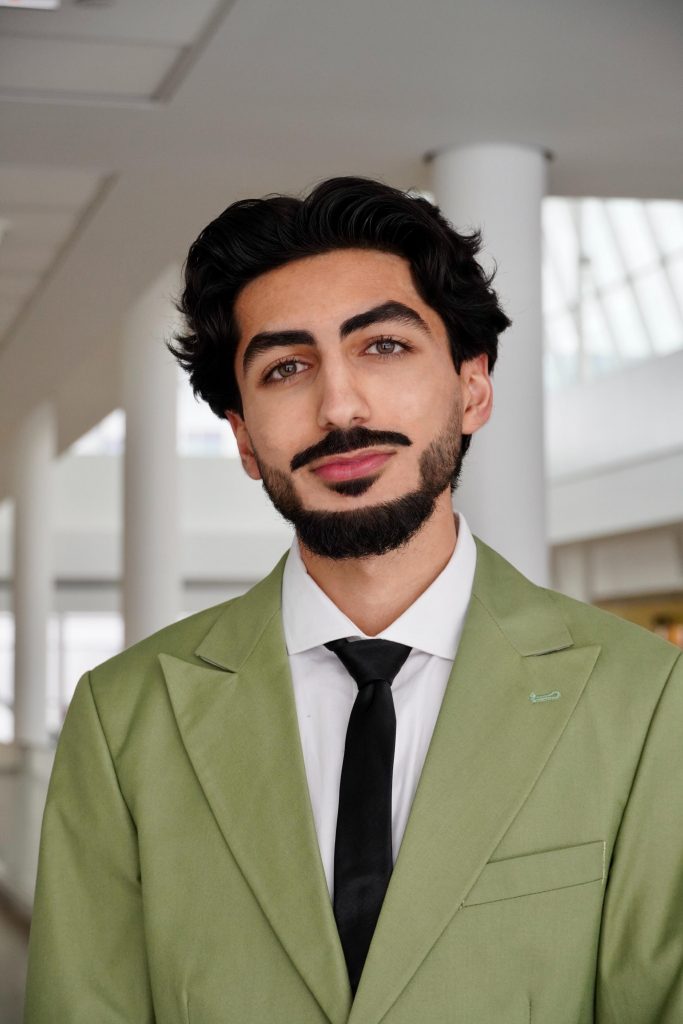
Aitazaz Shah, a second-year Global Development Studies major, is running for re-election as the Faculty of Arts Representative.
Shah has demonstrated a solid understanding of the scope of his role, particularly in his ability to navigate student advocacy and faculty administration. His previous term was marked by significant wins, such as successfully lobbying for an independent review of the controversial encampment issue and preventing the suspension of several Arts programs. Shah’s consistent presence in meetings and his ability to mobilize faculty support showcases his practical grasp of the power of the position.
“We’re in such a pivotal time in the Faculty of Arts, where the programs are being paused, and the work that I have started, it sort of needs to continue,” said Shah.
Shah’s focus on lobbying, both within the Faculty of Arts and with provincial government representatives, suggests he is fully aware of the limitations of his position yet remains committed to leveraging every available resource to advance student welfare.
Shah plans to push for industry panels, networking events, and skill-building resources to support career development, an initiative grounded in his recognition that current opportunities are too scattered for Arts students.
“We don’t need to reinvent the wheel, but we do need to make it easier for students to access career resources. If we create structured, recurring industry panels and make sure students actually know about them, we can bridge that gap,” he explained.
Moreover, his plans for expanding food security initiatives — like working with the campus food bank and collaborating with vendors in MacEwan Hall to donate unsold food — are achievable, with clear steps for implementation already in progress.
“We already have the framework in place. It’s about expanding on what exists and making sure it’s actually reaching students who need it most,” Shah said.
Shah’s past experience, coupled with his practical goals for the future, positions him as a highly competent candidate for re-election.
David Staddon
David Staddon, a first-year Political Science student, is running for Faculty of Arts Representative with a platform focused on infrastructure renewal, campus revival and affordability.
Staddon’s platform identifies real student concerns, such as campus maintenance and social engagement. He highlights the University of Calgary’s $800 million deferred maintenance balance and the lack of student housing. However, his approach leans heavily on provincial funding restoration — a challenge beyond a Faculty of Arts Representative’s influence.
While he supports continued pressure on the province, he doesn’t present a clear plan for influencing decision-makers.
“You either reduce spending, which isn’t ideal, or find other revenue streams, but those come with their own issues,” said Staddon.
His campus culture initiatives, such as opening The Den on weekends, show a more practical side. While Staddon suggests an inquiry into feasibility, he lacks a concrete plan for follow-through.
“I do recognize that there’s probably a chance that the SU doesn’t open the Den on the weekend, simply because the demand isn’t high enough, and the Students Union would run a loss if they did. So I think there needs to be some kind of investigative work into how we might be able to fix that,” said Staddon.
On affordability, Staddon highlights the struggles students face with high rent, referencing the University District. He acknowledges that current rental prices remain out of reach for many students. His discussion on affordable housing acknowledges systemic challenges but leans heavily on market trends rather than actionable policy.
“There’s no way to actually properly guarantee that a price in a new development like that is going to be at an affordable level for students,” he said, suggesting that overall housing supply increases in Calgary could eventually lower costs but offering no direct solutions.
Staddon is passionate and well-informed but struggles with translating concerns into feasible action.
All undergraduate students in the Faculty of Arts can vote YES or NO on their ballot for up to four candidates for FACULTY REPRESENTATIVE or ABSTAIN from voting.