
Inside Formula One’s 2026 regulation changes
By Baya Ahmidatou, March 25 2026—
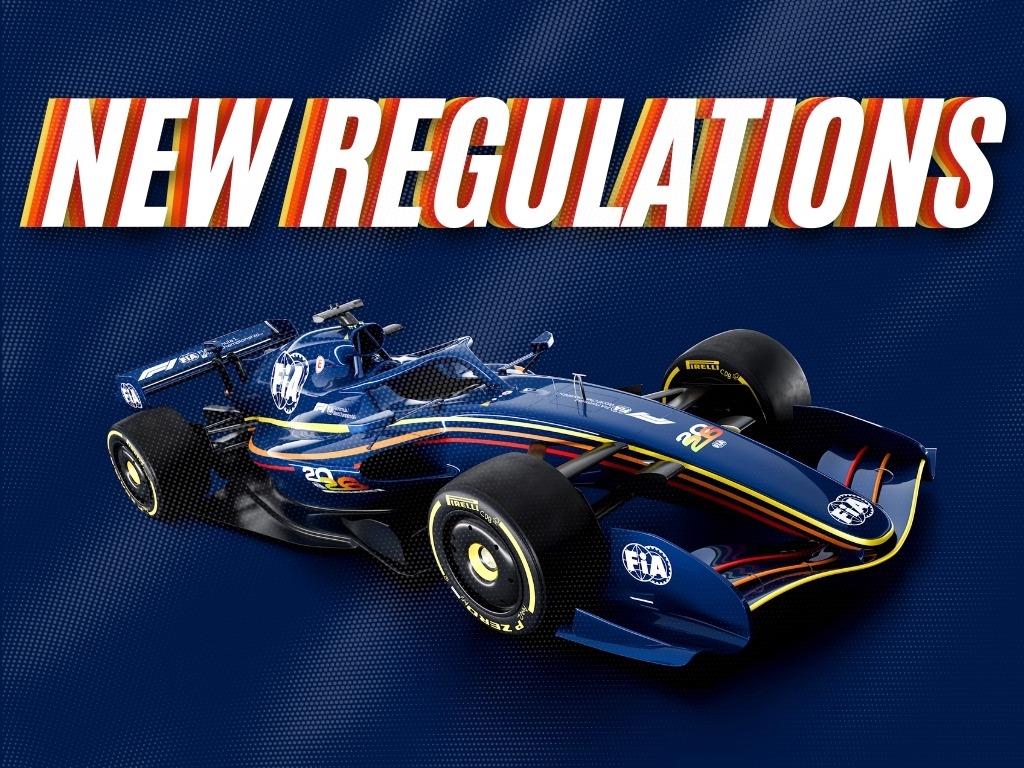
This 2026 season, Formula One will enter one of the most significant technical transitions in its modern history. New regulations are reshaping everything from how the cars generate power to how drivers manage energy during a race. Designed to improve sustainability, attract new manufacturers and produce closer racing, these changes mark the beginning of a new era for the sport. Reactions from teams and drivers across the grid remain mixed as the season gets underway.
Major changes to power units
One of the most significant updates is the cars’ power units. The cars will continue to use a 1.6-litre V6 turbocharged engine, but hybrid systems now play a central role. The electrical power in the engine provides roughly half of the total output in the 2026 rules. The removal of the MGU-H system simplifies the engine and reduces costs, making it easier for new manufacturers to enter the sport. The new MGU-K system allows for greater energy recovery and deployment.
Sustainability
Sustainability is another core focus of the 2026 regulations. The cars now run fully on sustainable fuel under F1’s plan to meet net-zero carbon emissions by 2030. The fuel used is no longer derived from crude oil or fossil feedstock. Instead, the Advanced Sustainable Fuel comes from molecules extracted from an advanced sustainable feedstock.
Smaller and Lighter
The cars this season are lighter and smaller than previous models. The distance between the front and rear axles has decreased by 200mm, and the cars are narrower with tires and the width of the floor decreasing in size. The narrow dimensions allow more space for two cars to battle on the track and provide a smaller contact patch for the tires. The cars have also had a significant drop in the minimum weight limit, from 800kg to 768kg.
Redesigned aerodynamics
Aerodynamics have also undergone major revisions for the 2026 season. The new regulations aim to reduce drag on straights while maintaining enough downforce for high-speed cornering. To achieve this, the cars now feature simplified wings and a more streamlined floor design. These changes are intended to make it easier for the cars to follow one another closely without losing significant aerodynamic performance.
Another key feature is the introduction of active aerodynamics. Both the front and rear wings can adjust between different modes depending on the track situation. In high-speed sections, the wings can switch to a low-drag configuration to improve straight-line speed and energy efficiency. In corners, the wings shift to a higher-downforce mode to help maintain grip. This system replaces the traditional Drag Reduction System used in previous seasons. It is designed to create more natural overtaking opportunities, rather than relying on a single overtaking aid.
Team and driver reactions
Following pre-season testing, reactions from teams and drivers across the grid have been mixed. Many teams have welcomed the new changes toward more sustainable technology and the opportunity for closer racing, but there were still many concerns about how the new systems would perform during a full race weekend.
Max Verstappen has been one of the most critical voices. He described the new cars as “anti-racing” and said the heavy focus on energy management makes the racing feel “like Formula E on steroids.” Lewis Hamilton has also expressed concerns about the complexity of the regulations, saying that the systems are so technical that they can be difficult even for drivers to understand fully.
Other drivers have taken a more balanced view. George Russell urged fans and teams to give the new era time before judging it, noting that such a major regulatory change will take several races for teams to understand and fully optimize.
Looking ahead
As the 2026 season begins, the new regulations mark a major shift for the sport. While the changes aim to improve sustainability and create closer racing, it may take several races before teams fully understand the new cars and systems.
Over the course of the season, teams will continue developing their designs and strategies. The success of these regulations will ultimately depend on whether they deliver competitive racing while moving the sport toward a more sustainable future.