
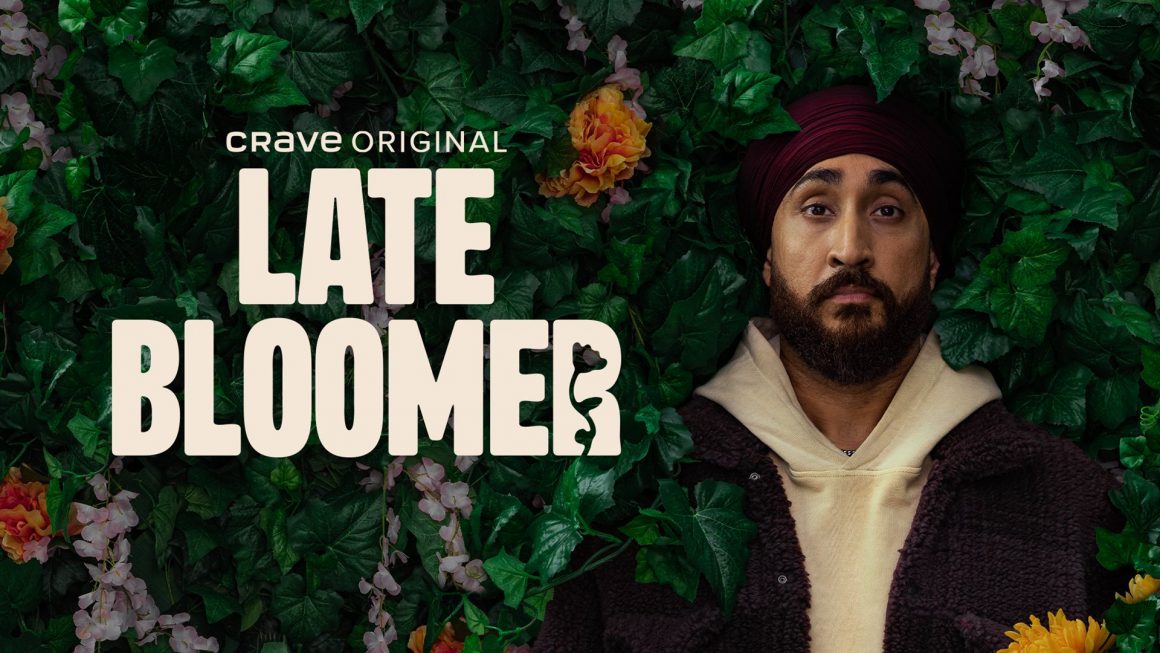
Jasmeet Raina’s Late Bloomer season two: Untold stories of South Asians in Canada
By Ethan Parker, August 6 2025—
Spoiler warning: The content of this article will contain key spoiler information for season one and two of Late Bloomer.
Jasmeet Dutta in season one of Late Bloomer is often questioned about his career and religion choices by members of the South Asian community. This prevails in season two of Late Bloomer, where Dutta is at a crossroads between choosing his own desires over those closest to him. Dutta leaves the house of his family after a fight with his father over a stash of weed found in a tiffin box, with Dutta taking the heat for Neal. His father questioned his career choices, stating that he was a failure for dropping out of medical school and becoming a content creator.
The role of religion is one that Raina further explores in season two, wherein the last episode of Season one entailed a fight between Dutta and Neal outside the Gurudwara. Jasmeet tells Neal, who is white passing, that he doesn’t have the privilege of shifting between being “white” or “brown” and has to take the consequences for Neal’s actions. Explaining how Neal will never know what Dutta’s experiences are like navigating Canada as a turban-wearing man alongside the pressures of both his family and the Punjabi, Sikh community.
The importance of adhering to the rules of Sikhi is seen throughout this final episode of season one as Dutta’s father, Gurdeep, was quite disappointed to have found the weed. Especially as a family that cares deeply about how others view their family. But for Dutta’s father, finding the weed in one of Supinder Dutta’s tiffin boxes was more than just an act of defiance. It symbolized a sense of carelessness and disrespect for the sacrifices that Supinder and Gurdeep had made for Jasmeet in a country like Canada. Not only were the rules of Sikhi disobeyed but Gurdeep lashed out at Jasmeet for being a failure due to his career choices. Ultimately this leads to Jasmeet moving in with Rebecca, a Punjabi, Christian, where he feels a sense of freedom in season two.
And for Jasmeet Raina, this reflects quite profoundly on his journey as a content creator to directing Late Bloomer. How often the institutions and communities that surround us, question our choices when we do not conform. Viewers quickly recognize how the burden of adhering to traditional norms weighs quite heavily on Dutta from his community, family, and his girlfriend, Rebecca. All of which reflects on the experience Raina faced as a young content creator, expressing untold stories as a South Asian in Canada.
Their commitment to religion is evident in season two, “Not My Uncle”, Dutta and Neal are shown as two young boys during 9/11. Where Jasmeet is depicted as a child and is seen questioning whether or not to cut his hair. This episode explores the realities of many Sikh families who were mistaken for Muslims during the early 2000s in Canada. Individuals who wore the turban in Canada experienced discrimination alongside those from the Muslim community, however these experiences are often overlooked.
Raina’s directorial choices depict how isolating it was for him as a visible minority in Canada. Where his character, Dutta, witnesses his cousin, Neal, cut his hair in order to avoid discrimination during 9/11, explaining the fight between the two at the end of season one.
Neal and Dutta resolve their differences at the end of the episode at Jasmeet’s turban tying ceremony in the corner of the Darbar Sahib at the Gurudwara. Viewers find the duo sitting in the same corner in the last episode of season two, where Neal admits he is still figuring himself out.
Rebecca’s parents in “Weekend at the Matthias’” question Dutta’s commitment to their daughter, insinuating he convert to Christianity. While Dutta is still figuring out his positionality toward religion, it is evident he still has a great deal of respect toward Sikhi as he continues to wear the turban or questions the appropriation of Sikhi at a yoga studio.
This episode captures Dutta going from the Gurudwara to the Church, showcasing the familiarity of the Gurudwara and unfamiliarity with the church. The juxtaposition is in the fighting that has occurred at the Gurudwara, Jasmeet’s own family, and the South Asian community as a whole. Opposed to those happily singing and waving their arms at the Church.
Overall, this season is a testament to how Raina’s creativity transcends beyond the scope of YouTube videos into the second season of Late Bloomer. However, this unusual fusion of creativity, recreation of relatable experiences, humour, and expressiveness did not always sit well or lead to understanding within certain individuals in the South Asian community. Some members of Jasmeet’s community questioned how he represented those from the Punjabi, Sikh community.
While it is understandable why some individuals may want their ethnic group to be seen positively by others, placing these expectations on one single individual is a lot to ask for. Especially for Raina, who was a content creator in his twenties and used comedy to express himself and experiences.
The purpose of the show was to portray the often imperfect realities of South Asian families. With guest appearances from singers like Sukha, depicting the realities of international students in Canada.
By recreating such experiences, Raina not only expressed himself but also allowed for many individuals across the world to resonate with his experiences and to say true to who they are. Despite backlash at times, Raina upheld expression of his individuality amidst pressure to paint an idealized image of the imperfect communities that society expected him to protect. Above all else, Raina has and continues to be a voice for the voiceless.