
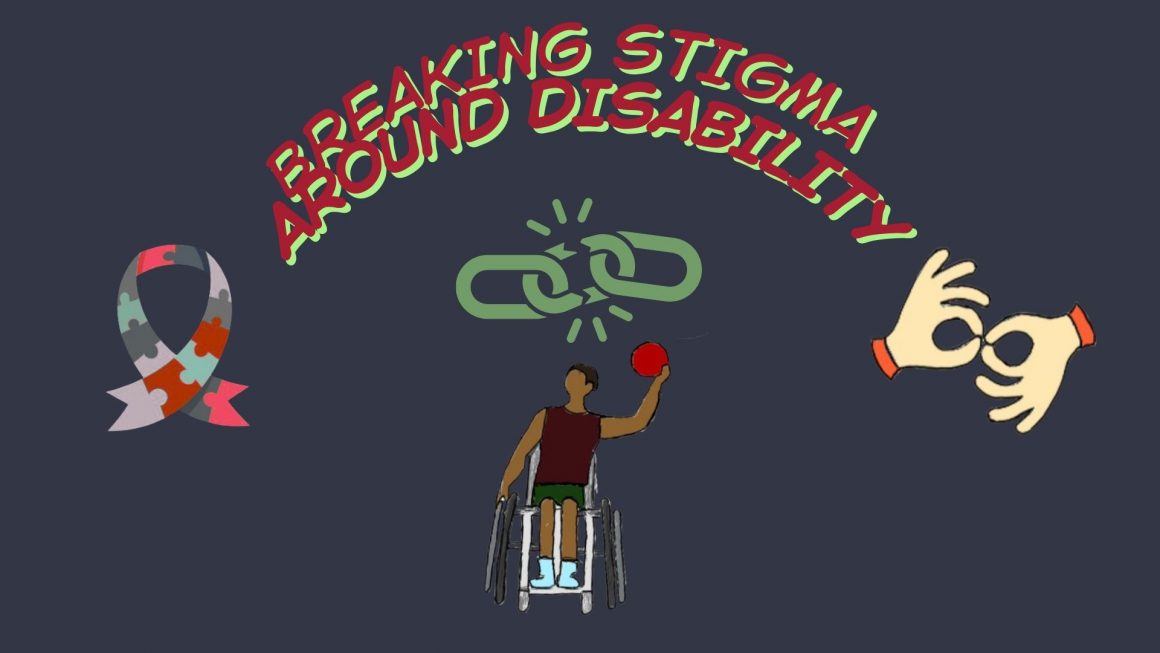
We need to break the stigma surrounding disability
By Maida Azhar, January 18 2026—
Together, we can work to break the stereotypes surrounding disability and ensure that every individual is valued and fully included in society.
We are all human, yet I’ve seen individuals with disabilities continue to face inequality, stereotypes and even the misguided belief that they are being punished by God, especially in racialized communities. Despite the many facilities and technologies available today to make life easier, significant barriers and challenges remain for people with disabilities. I was proud to lead a change project at the Calgary Immigrant Women’s Association (CIWA) where I hosted an event to educate others about breaking the stigma surrounding disability. Through this article, I hope to further spread this message, raise awareness, foster safe and supportive environments for individuals with disabilities and their families and promote education to build a more inclusive society.
According to the Canadian Human Rights Commission, the lack of accessibility individuals with disabilities face denies them their fundamental human rights, limiting their ability to live independently, access government support and secure safe housing. Many face financial hardships, abuse or homelessness, with 11 per cent being forced out of their homes due to unaffordable rent. Indigenous people with disabilities often experience even greater housing challenges, living in unsafe conditions plagued by pests, mold and major repair issues.
Growing up, I often heard negative stereotypes about people with disabilities, especially in the racialized communities I lived in, where families sometimes felt shame or discomfort discussing their loved ones’ disabilities openly. Common myths portray individuals with physical, mental or learning disabilities as unhappy, weak, dependent, less worthy of respect, incompetent or lazy. Some claim they are simply slow learners and thus unable to succeed academically. Some even believe that parents of children with disabilities are being punished for past sins.
However, when I look at my strong and kind-hearted little sister — who was diagnosed with spinal compression as well as physical and mental Global Development Delay — and others like her, I see individuals who are funny, kind, intelligent and full of life. These stereotypes are harmful and simply untrue, speaking to just how vital it is to close the gap between misconception and reality.
If we look at individuals such as Albert Einstein, Stephen Hawking, Helen Keller, Frida Kahlo, Nick Vujicic and many others, we don’t see people defined by their disabilities, but instead some of the most inspiring and brilliant figures in human history, who’ve each left lasting impacts on the world. Unfortunately, most people with special needs are defined by their disabilities instead of their personalities by those who simply don’t understand.
“They see a label, not a person. And that hurts,” Dr. Afirah Naz, Founder of the Canadian Society for Women’s Mental Health, told me, reflecting on the challenges she faced and the strengths she gained from raising her son, who was diagnosed with autism.
At my event with the CIWA, three inspiring guest speakers shared their experiences with disability and the lessons they learned which others would benefit from knowing:
Louise Riley, an Employment Specialist at IPSESA, shared how her son with Down syndrome taught her to appreciate small moments, to recognize that we all share the same emotions regardless of ability and to value each child’s unique gifts.
Nada Merhi, Canada’s regional lead for North America’s first organization serving Muslims with disabilities, courageously reminded us that society itself is “disabled” when it fails to accommodate people with disabilities.
And my mother, Saira Bano, a political science professor at Thompson Rivers University, shared how my sister has taught our family that despite her challenges, she remains happy, kind and compassionate. From her, we have learned to appreciate life and find joy despite our difficulties, and fortunately Calgary has given her the facilities she needs. However, with my family planning to move to Kamloops, BC, I worry that she won’t have access to the same level of support she currently receives.
We often seek inspiration from others, but we should do more to recognize those with disabilities who have defied stereotypes, believed in themselves and become some of the world’s greatest innovators. Disability is not a burden, a limitation or a punishment from God, nor is it a barrier to love, success or brilliance.
The only barriers are silence and stereotypes.
By speaking up and supporting one another, we can choose understanding over judgment, love over fear and care over neglect. Together, we can break the stigma and build a world that values, respects and uplifts everyone.
To learn more about my work with CIWA, watch this video research project exploring ways to break the stigma surrounding disability.
This article is a part of our Opinions section and does not necessarily reflect the views of the Gauntlet editorial board.